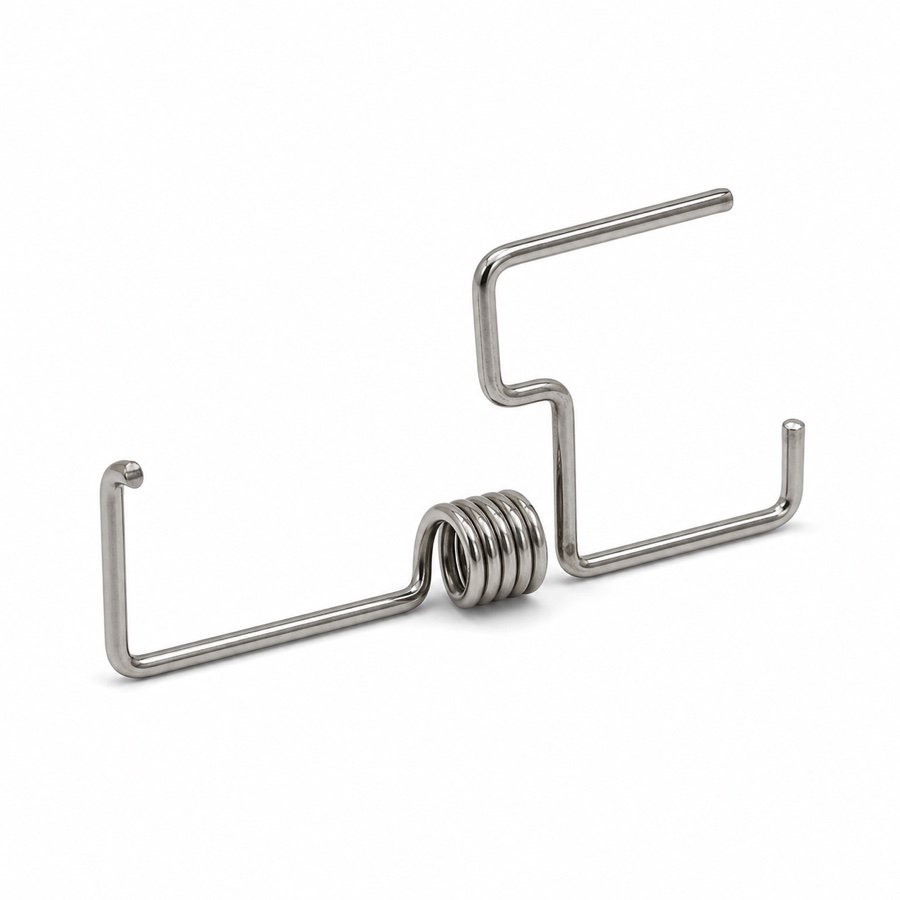
Springs in medical devices may support buttons, clamps, return mechanisms or disposable tools. Risk and contact vary widely, so the application boundary must be explicit.
Define the use boundary
Patient, drug or cleaner contact, sterilization and single-use status influence material, surface and packaging decisions.
Control particles and residues
Forming oil, grinding debris, burrs and packaging fibers may affect cleanliness. Define cleaning, residue limits and packing environment.
Validate sterilization or cleaning effects
Heat, chemicals or radiation can change material, coating or mating plastics. Verify load and appearance in final processed condition.
Avoid vague “medical grade” language
Use explicit material standards, lot certificates, surface requirements and acceptance tests. Final-device compliance remains tied to the device risk assessment.
References
This article is informed by public standards catalogues and industry engineering resources. Project values should be confirmed by drawings, material certificates and sample validation.