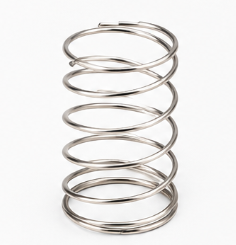
Compression Spring Design Basics: Space, Travel and Two Load Points
A compression spring cannot be selected by envelope dimensions alone. Working heights, loads, travel and solid-height margin belong in one specification.
Practical guides covering spring design, materials, processes, fatigue, industry applications and sourcing
A compression spring cannot be selected by envelope dimensions alone. Working heights, loads, travel and solid-height margin belong in one specification.
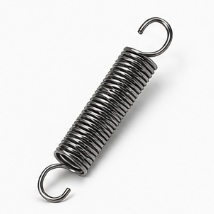
Hook form, transition radius, load direction and initial tension determine extension spring reliability and assembly behavior.
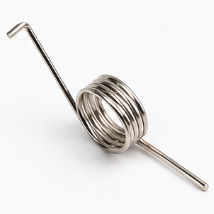
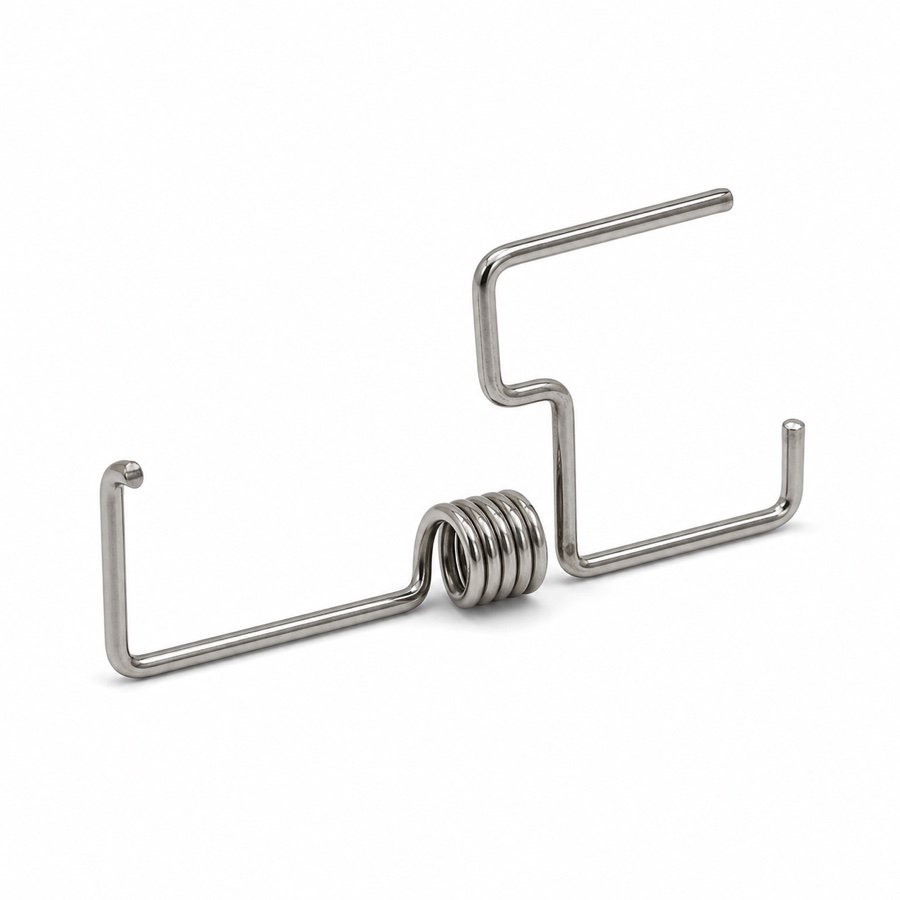
Separating viewing direction, loading direction and free angle prevents reversed parts and angle errors during sampling.
A low spring index makes forming and inside-coil stress more demanding, while a high index increases instability and handling risk.
Two load points constrain both working force and rate, reducing ambiguity caused by free-length or preload variation.
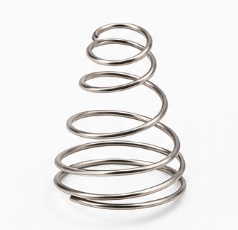
Theoretical solid height is only a starting point. Ends, pitch variation and impact determine the practical minimum operating height.

Room-temperature strength and corrosion resistance are different goals. Select from stress, media, temperature and life requirements.
Use load, temperature, corrosion and conductivity requirements to narrow the material choice before comparing price.
Define free length, wire diameter, load points, tolerance, winding direction and finish to reduce clarification cycles.