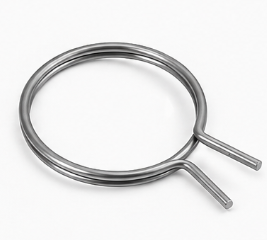
Small springs in seats, locks, switches and controls affect feel, position and safety. Stable production is often more important than exceptional performance in one sample.
Translate vehicle function into characteristics
Convert force, angle, travel, interference, noise and life into measurable product features and identify safety- or regulation-related special characteristics.
Combine realistic environments
Temperature cycling, vibration, salt, dust, lubricant and chemicals can interact. Passing isolated tests may not prove combined-condition reliability.
Control process change
Material source, wire size, forming machine, heat treatment, coating and subcontractor changes can alter performance and need review and reapproval rules.
Maintain lot traceability
Raw material, date, equipment, process parameters and inspection records should connect to shipped lots for fast containment and analysis.
References
This article is informed by public standards catalogues and industry engineering resources. Project values should be confirmed by drawings, material certificates and sample validation.