
Geometry and parameters
Review wire size, coils, ends, hand, stroke, load or torque inputs.
Compression, extension, torsion and custom wire forms developed from drawings or samples through validation and repeat production
Define load, installation space and operating environment before selecting geometry, material and validation.
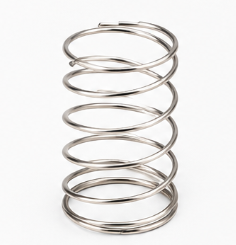
Various compression springs, ground or closed ends, suitable for molds and machinery
Wire options · Stable load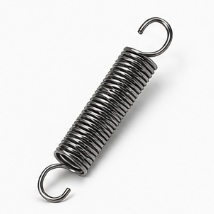
Precision extension springs with various loop types, suitable for appliances and toys
High rebound · Custom hooks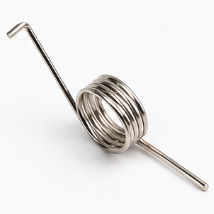
Double and single torsion springs, custom angles and coils, for electronics and automotive
Custom angle · Precise return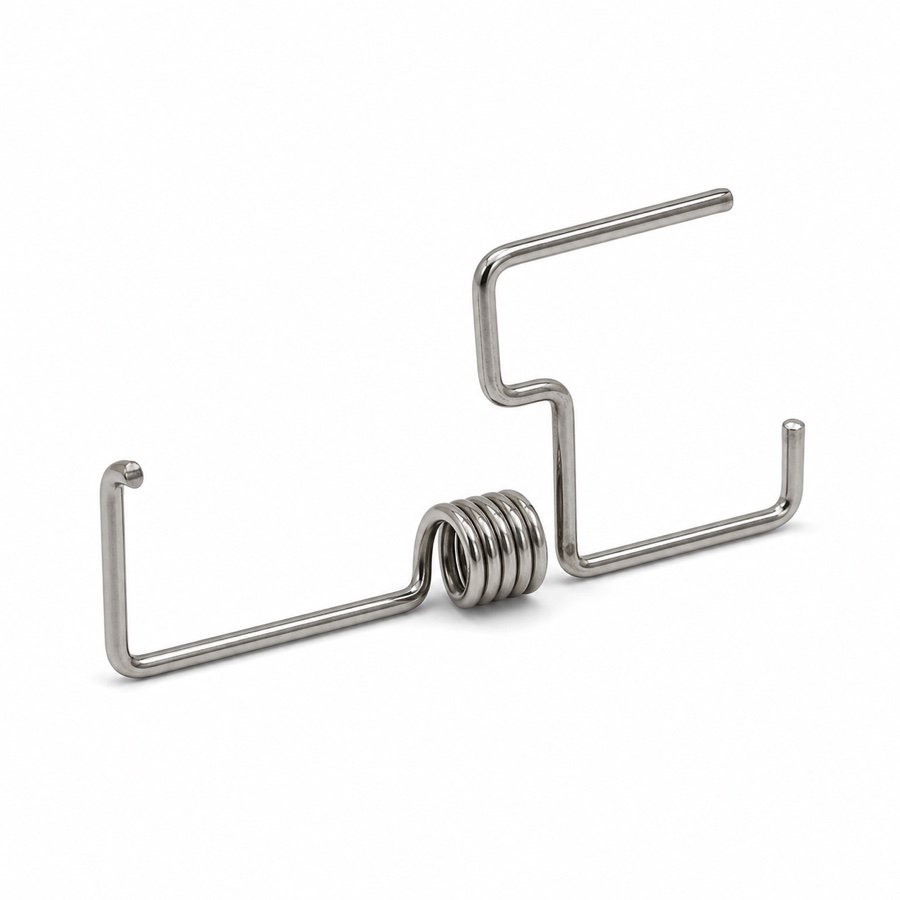
Complex wire forms made to drawings or samples for positioning, support and linkage mechanisms
Drawing based · 2D / 3D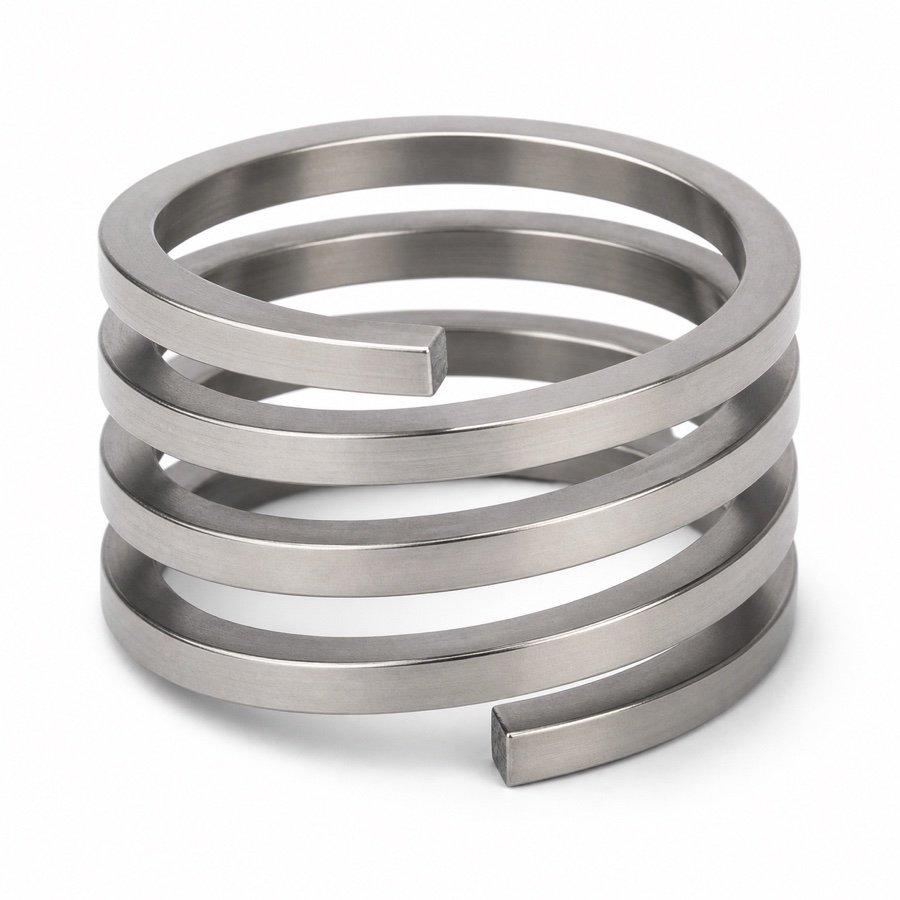
Square or flat wire springs designed for higher load and contact area in compact spaces
Square / flat · Space efficient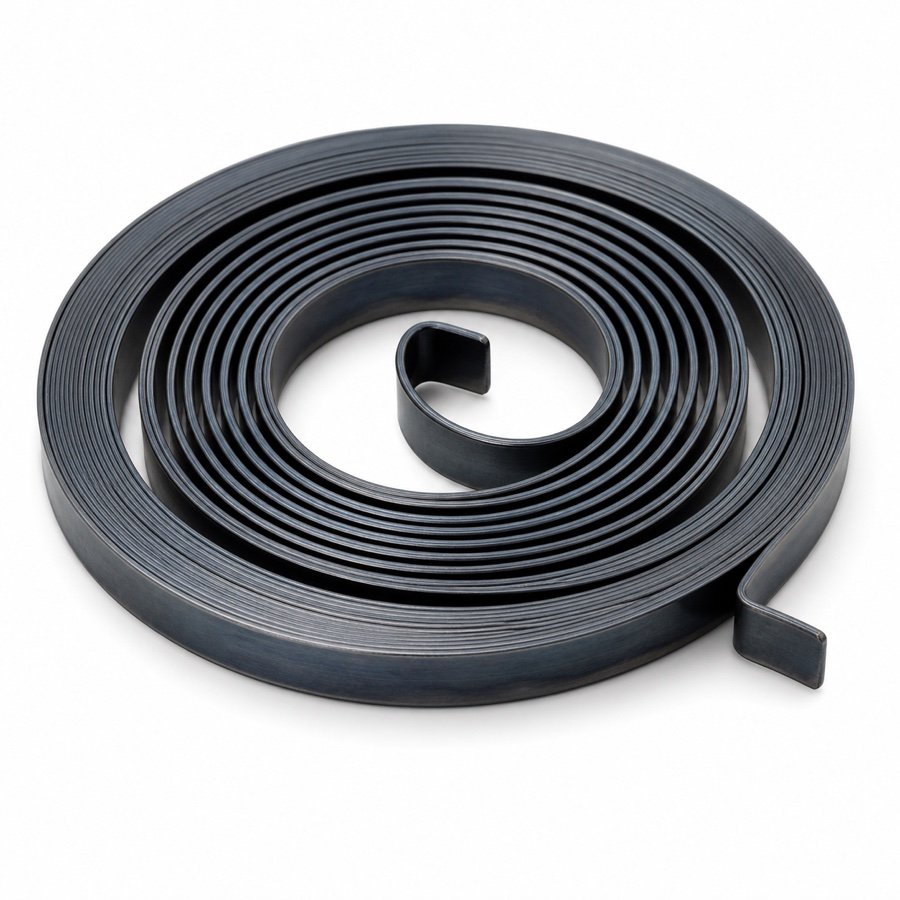
Flat spiral springs that store and release torque for rewind and return mechanisms
Flat spiral · Torque output
Engineering review covers material, geometry, functional parameters and production consistency to reduce rework.
Review wire size, coils, ends, hand, stroke, load or torque inputs.
Match strength, fatigue, temperature, conductivity and corrosion requirements.
Define measuring points, test height, fixtures and limits during sampling.
Control critical characteristics against approved samples and inspection requirements.
Fatigue life, temperature, vibration and assembly consistency.
Torsion · Extension · Wire formsSpace, conductivity, contact force and corrosion resistance.
Battery · Compression · Flat wireReturn angle, installation hand, hook stress and cycle life.
Lock · Torsion · ExtensionWorking load, stroke, impact, guidance and maintenance.
Compression · Conical · Power springCritical dimensions, load or torque, appearance and material information are confirmed by project before production control.
About the factory and teamDefine critical features, methods and acceptance criteria.
Record dimensional and functional results for approval.
Inspect critical operations and isolate nonconforming output.
Review order, inspection results and batch information.
A compression spring cannot be selected by envelope dimensions alone. Working heights, loads, travel and solid-height margin belong in one specification.
Hook form, transition radius, load direction and initial tension determine extension spring reliability and assembly behavior.
Separating viewing direction, loading direction and free angle prevents reversed parts and angle errors during sampling.
Send dimensions, load, material, quantity and operating environment for an engineering review.