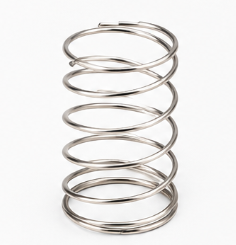
One load point defines force at one position but not the slope of force versus travel. Mechanisms sensitive to feel, return speed or clamping force often need rate control as well.
What one point proves
A load at a specified height is useful for acceptance, but the same force can result from different combinations of free length and rate, producing different behavior elsewhere in the stroke.
How two points define rate
Loads at two working heights reveal the working rate through load change over travel. Keep both points inside the real operating range, away from nearly free or nearly solid conditions.
Keep fixtures consistent
Guide rods, platen parallelism, loading speed, preset cycles and dwell time can affect readings. Define critical test conditions in the drawing or inspection plan.
Allocate tolerance by function
If one position controls the mechanism, prioritize that load. If behavior across the stroke matters, control both points and rate instead of tightening every dimension.
References
This article is informed by public standards catalogues and industry engineering resources. Project values should be confirmed by drawings, material certificates and sample validation.