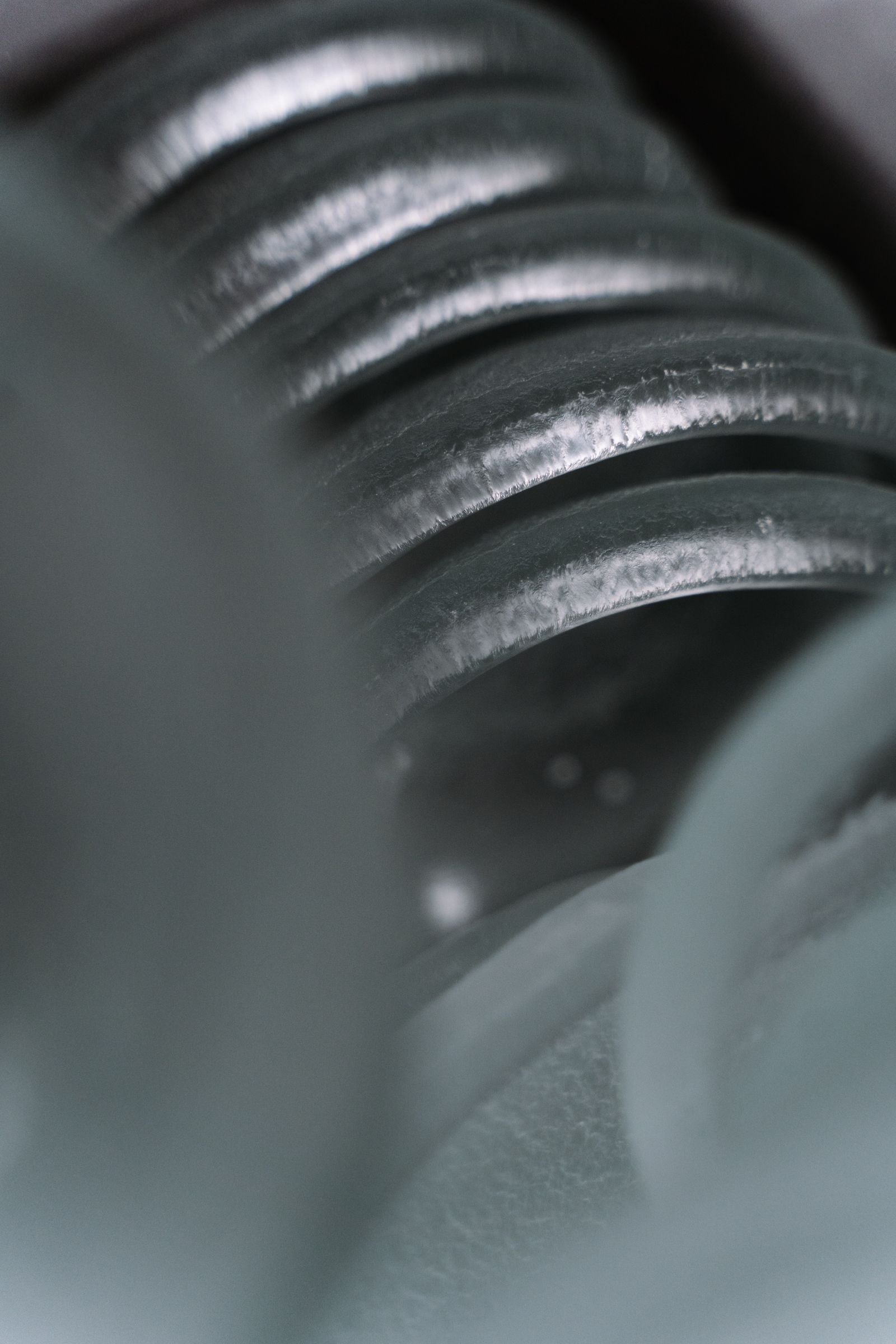
304 and 316 are both used for spring wire, but selection depends on the environment. Treating 316 as universally better misses strength, forming and cost tradeoffs.
Describe the exposure
Indoor humidity, food-equipment cleaning, coastal salt and chemical media are different conditions. State composition, concentration, temperature, duration and rinsing.
Watch pits and crevices
Coil gaps, hook contacts and assembly crevices can retain media. Poor drainage or contamination can accelerate local corrosion even with a reasonable base grade.
Post-forming condition matters
Tool contamination, heat-treatment oxide and residues affect appearance and corrosion behavior. Confirm cleaning, passivation and packaging as required.
Validate the real environment
Salt spray can compare processes but does not reproduce every service medium. Critical projects should use representative exposure or assembly testing.
References
This article is informed by public standards catalogues and industry engineering resources. Project values should be confirmed by drawings, material certificates and sample validation.