DESIGN WINDOWTypical capability range
Use these values for early selection. Final dimensions, tolerances and loads are confirmed by engineering review and approved samples.
- Wire Dia
- 0.3-8mm
- OD
- 2-60mm
- Free Length
- 3-200mm
- Typical use
- Suitable for door lock mechanisms, security equipment, smart locks
ENGINEERING OPTIONS
Materials, forms and quality controls
01Material options
- Music wire / 65Mn: indoor lock return mechanisms
- SUS304: humid or higher corrosion requirements
- Coated steel wire: reviewed to appearance and salt targets
02Forms and processes
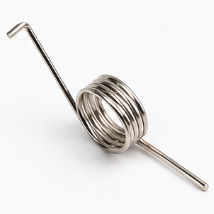
- Handle torsion, latch compression and extension springs
- Left / right door forms and anti-reversal ends
- Custom long legs, latches and stops
03Critical inspection
- Installed angle, torque / load and return position
- Assembly interference, noise and feel consistency
- Cycle life, salt exposure and surface wear
APPLICATION FIT
Typical applications
Professional door lock springs, durable, suitable for lock mechanisms and security devices
01Mechanical locks
Handle return, latch extension and position retention.
02Smart locks
Clutches, sensing and motor-assisted mechanisms.
03Furniture and security
Cabinet locks, door controls and retention.
DESIGN NOTESEngineering notes
Lock feel comes from spring force, friction, tolerance and lubrication. Increasing torque alone can add wear or excessive operating force.
Left / right projects benefit from clear part numbers, packaging and geometry that discourages reversal.
RFQ CHECKLISTInclude with your RFQ
- 01 Lock assembly and shaft / hole dimensions
- 02 Free / installed angle and working torque
- 03 Door direction and mistake-proofing
- 04 Cycles, salt and temperature environment
- 05 Pack orientation and automated assembly
Request Engineering Review → FAQ
Common design questions
How should lock spring life be tested? +
Use the real lock or an equivalent fixture with representative angle, frequency, lubrication and temperature, monitoring torque loss and return.
Does a longer salt-spray result guarantee service life? +
Salt spray compares finish systems but does not replace wear, trapped moisture and cycling in the actual assembly.