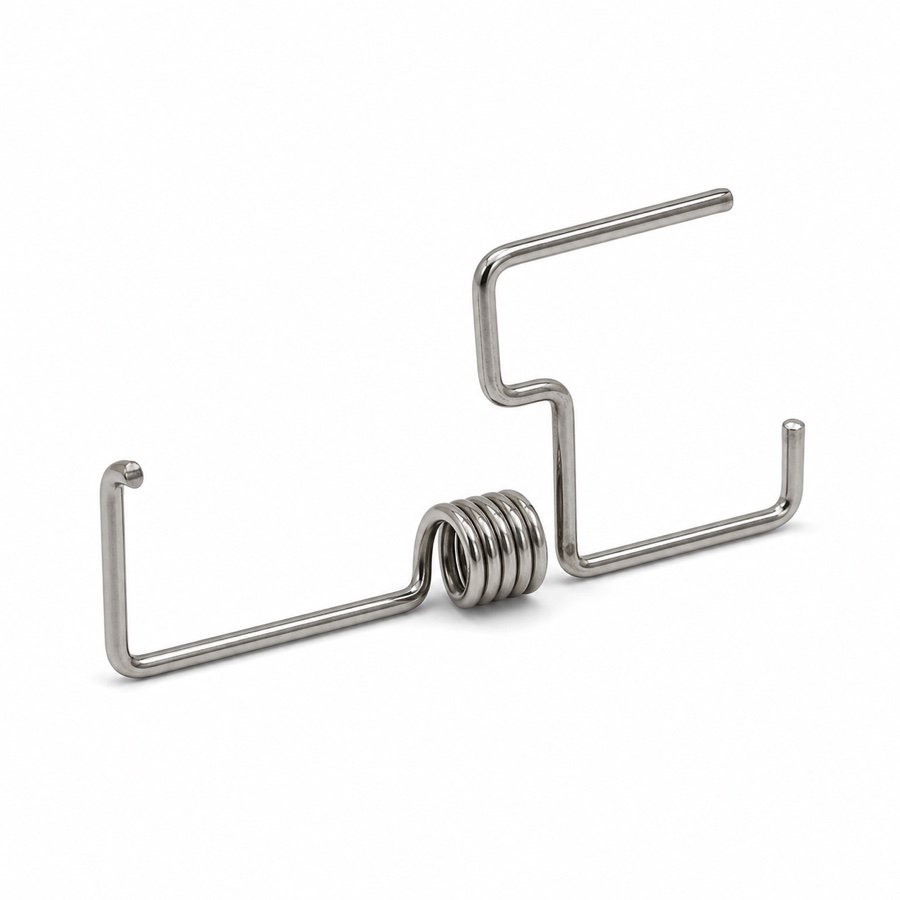
Springs and wire forms can deflect under small measuring forces. Methods copied from rigid machined parts often produce unstable results on complex flexible geometry.
Define the free condition
State whether the part rests naturally, is clamped or receives preload, and identify temperature and process condition. Posture can change long-leg or hook dimensions.
Build datums from assembly function
Wire forms should use actual support faces, holes or mounting points as datums. Arbitrary outline measurements may not represent fit.
Functional gauges can be more repeatable
Go/no-go, profile and functional gauges reduce operator variation for production positioning features. Their placement sequence, force and calibration still need definition.
Classify critical dimensions
Separate safety, assembly, functional and reference features. Apply higher inspection frequency to high-risk characteristics rather than tightening everything.
References
This article is informed by public standards catalogues and industry engineering resources. Project values should be confirmed by drawings, material certificates and sample validation.