DESIGN WINDOWTypical capability range
Use these values for early selection. Final dimensions, tolerances and loads are confirmed by engineering review and approved samples.
- Wire
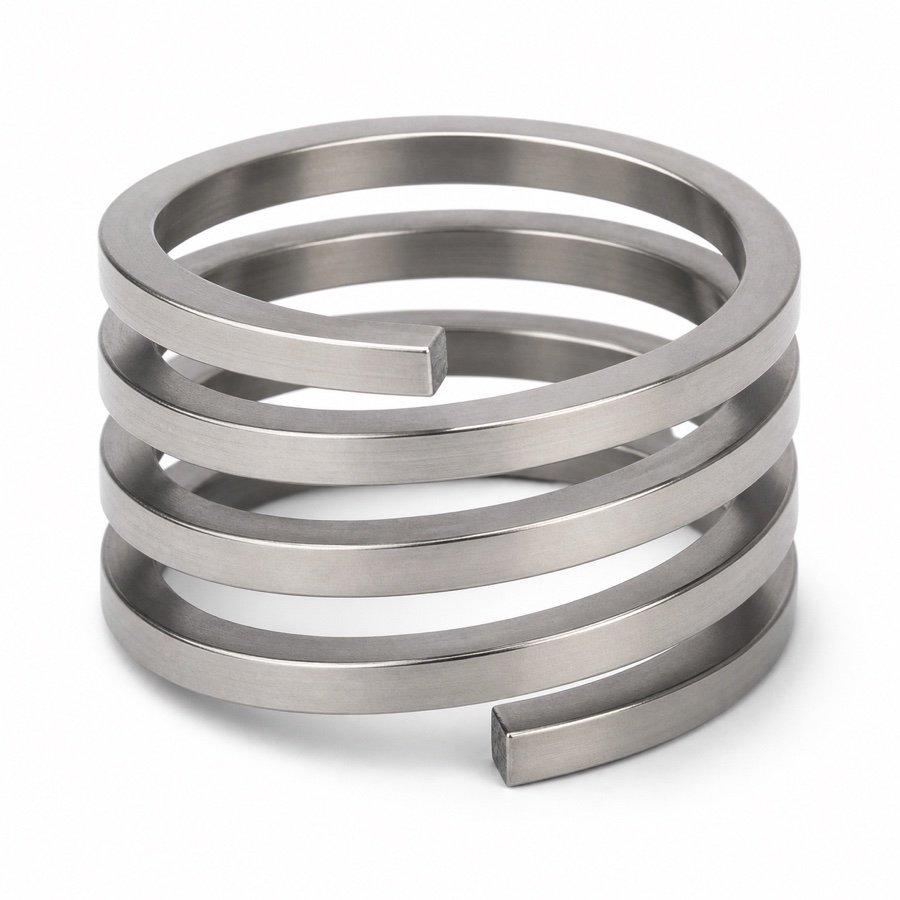
- Square/flat
- Cross-section
- Custom
- Surface finish
- Optional
- Typical use
- For electrical contacts, precision mechanisms, clamps and high-load assemblies
ENGINEERING OPTIONS
Materials, forms and quality controls
01Material options
- High-carbon flat wire: load and energy storage
- Stainless flat wire: corrosion and cleanliness
- Copper-alloy strip: conductive contacts and clips
02Forms and processes
- Square, rectangular and custom sections
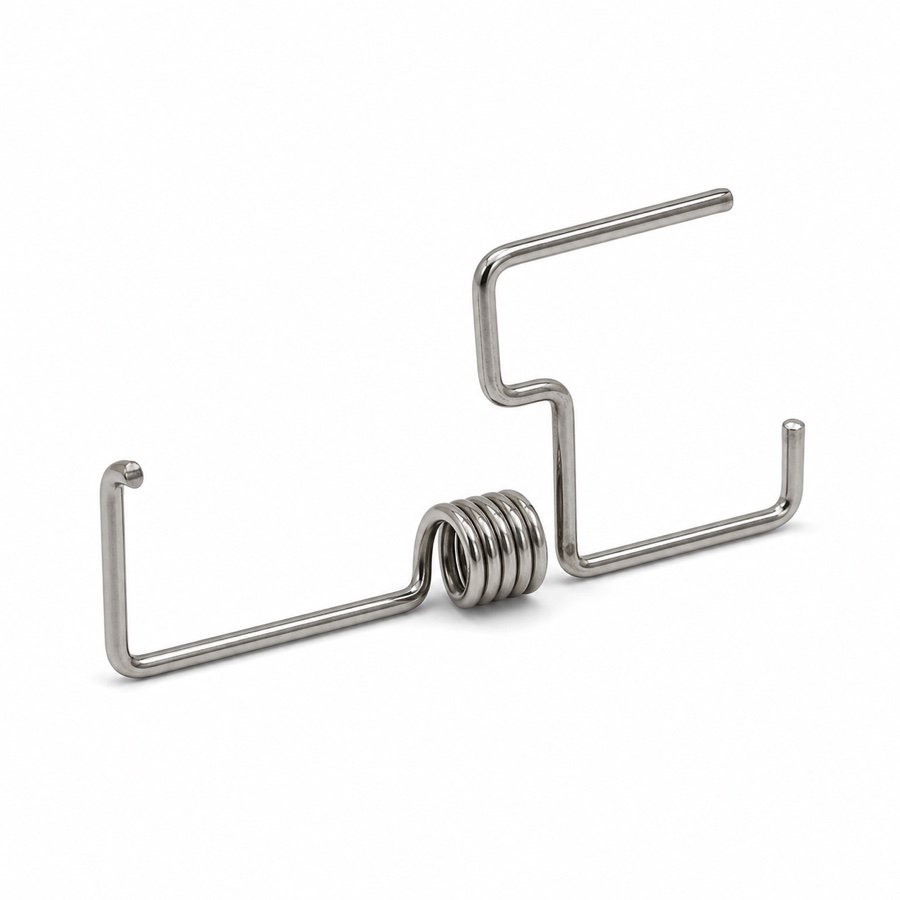
- Coils, clips, contacts and spring tabs
- Orientation control and local bends
03Critical inspection
- Section width, thickness and corner radius
- Twist and orientation at critical locations
- Load, contact face and edge damage
APPLICATION FIT
Typical applications
Square or flat wire springs designed for higher load and contact area in compact spaces
01Package efficiency
High load or broad contact in compact mechanisms.
02Electrical contacts
Switch, battery, clamp and conductive assemblies.
03Energy and clamping
Power springs, clips and precision mechanisms.
DESIGN NOTESEngineering notes
Rectangular-section orientation strongly changes bending stiffness. Show width and thickness relative to bend plane or spring axis.
Profile materials can carry minimum purchase quantities and longer lead times. Early review prevents an uneconomic sample design.
RFQ CHECKLISTInclude with your RFQ
- 01 Section width, thickness, radius and orientation
- 02 Material condition and edge quality
- 03 Bend radius and twist limit
- 04 Travel, load or contact force
- 05 Finish, mating face and volume
Request Engineering Review → FAQ
Common design questions
Can a round-wire design be changed directly to flat wire? +
No. Section inertia, stress, springback and material condition differ and require recalculation and sampling.
Why specify corner radius? +
It affects stress concentration, fit, contact area and coating coverage and is a functional section parameter.