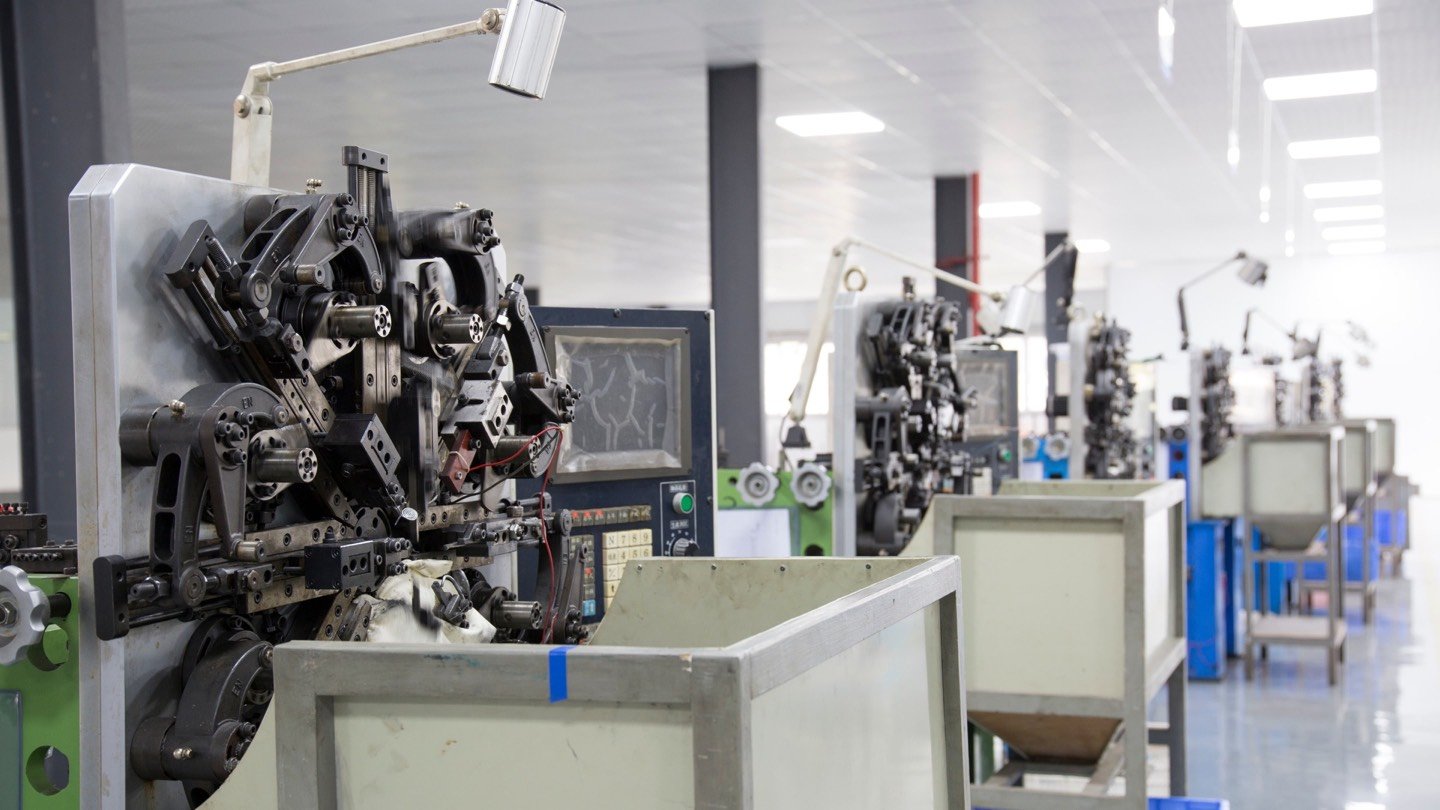
What Controls Spring Fatigue Life: Stress, Surface and Misalignment
Cyclic failure is rarely a material-only problem. Working stress, surface condition, heat treatment and installation all matter.
Practical guides covering spring design, materials, processes, fatigue, industry applications and sourcing
Cyclic failure is rarely a material-only problem. Working stress, surface condition, heat treatment and installation all matter.
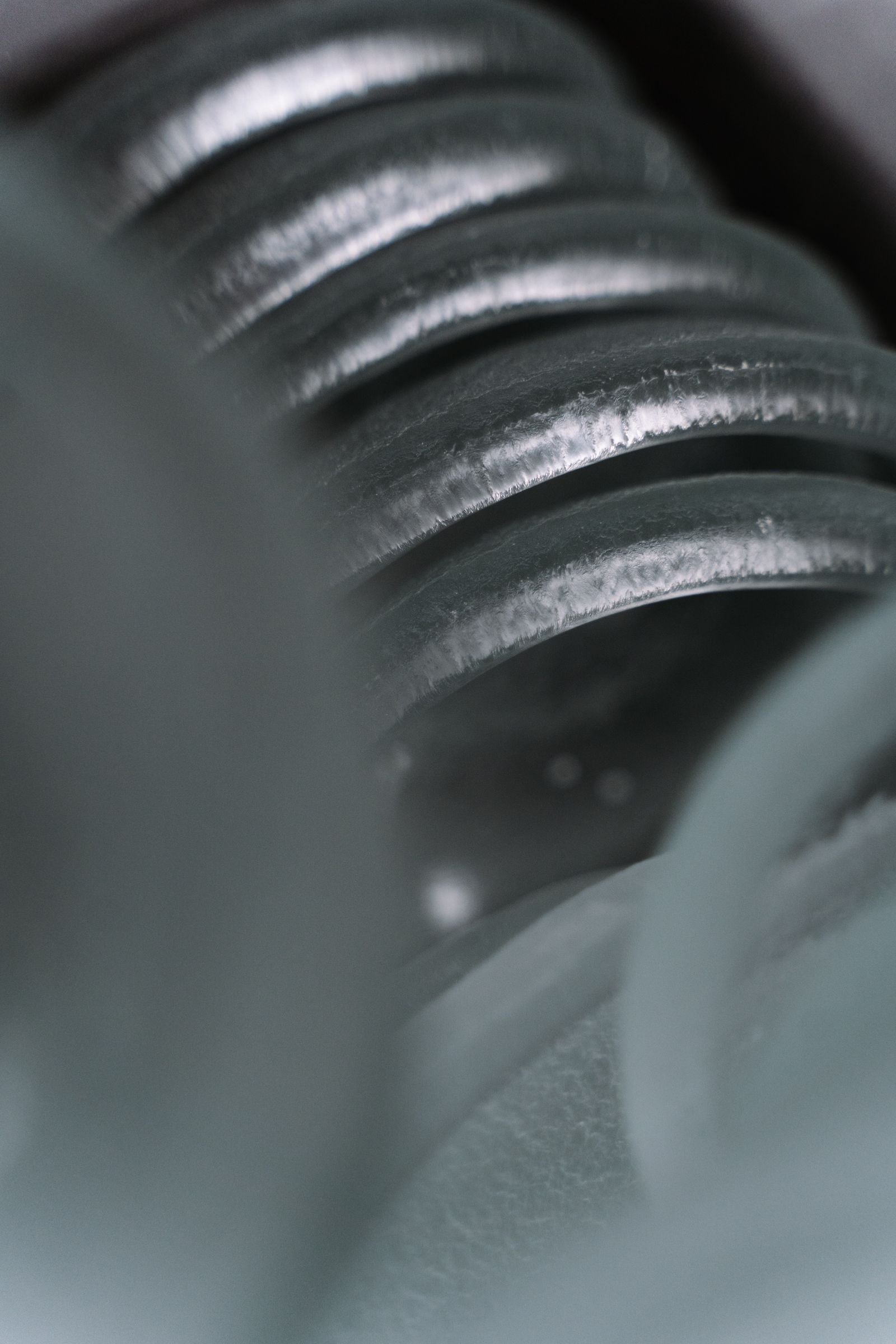
Media, chlorides, cleaning, temperature and crevices all change the corrosion risk of stainless springs.
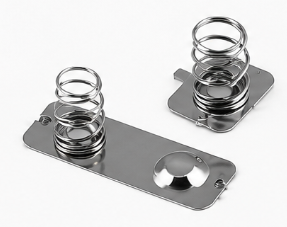
A battery contact is both a spring and an electrical interface, so material, contact force, surface film and galvanic compatibility must work together.
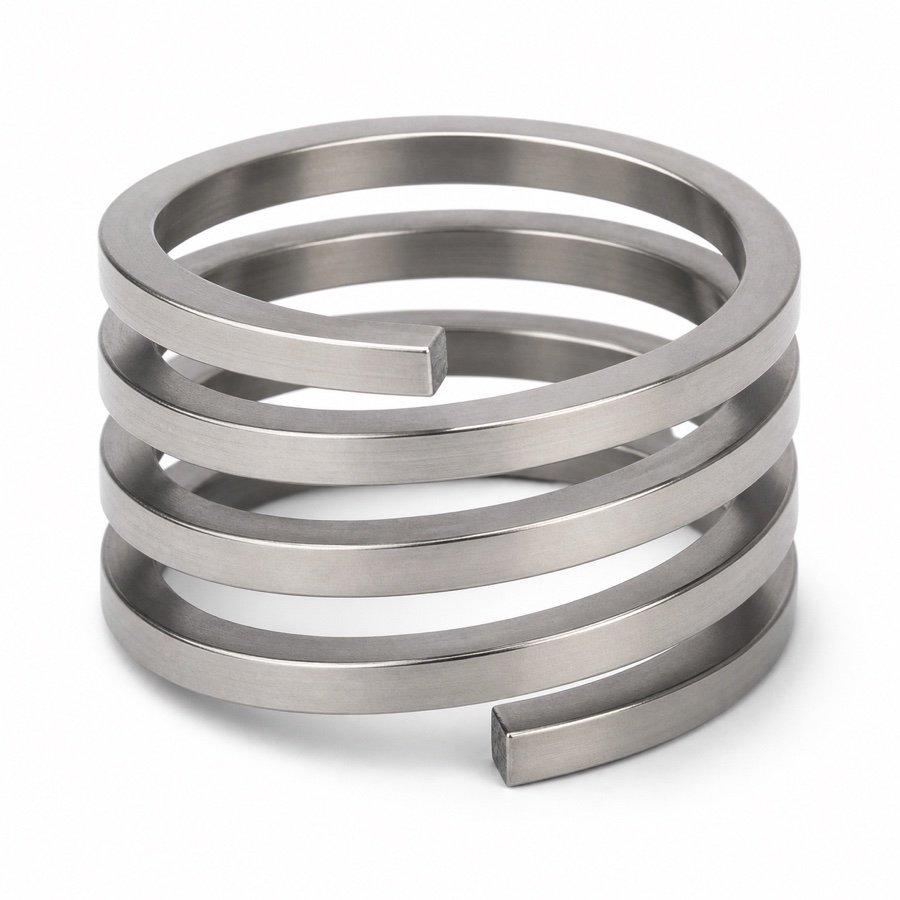
A finish should address corrosion, conductivity, appearance, friction or joining while accounting for dimensions and embrittlement risk.
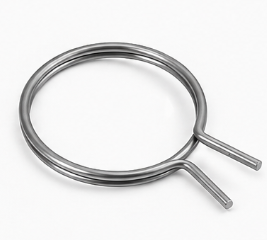
Embrittlement may appear as delayed brittle fracture after shipment inspection, so plated high-strength steel requires process review.
Controlled peening introduces beneficial surface compressive stress, but intensity, coverage and downstream processes must be controlled.
Cold forming leaves residual stress. Stress relief stabilizes the part but also creates predictable dimensional movement.
The same spring can read differently under different fixtures and sequences, so the test method belongs with the tolerance.
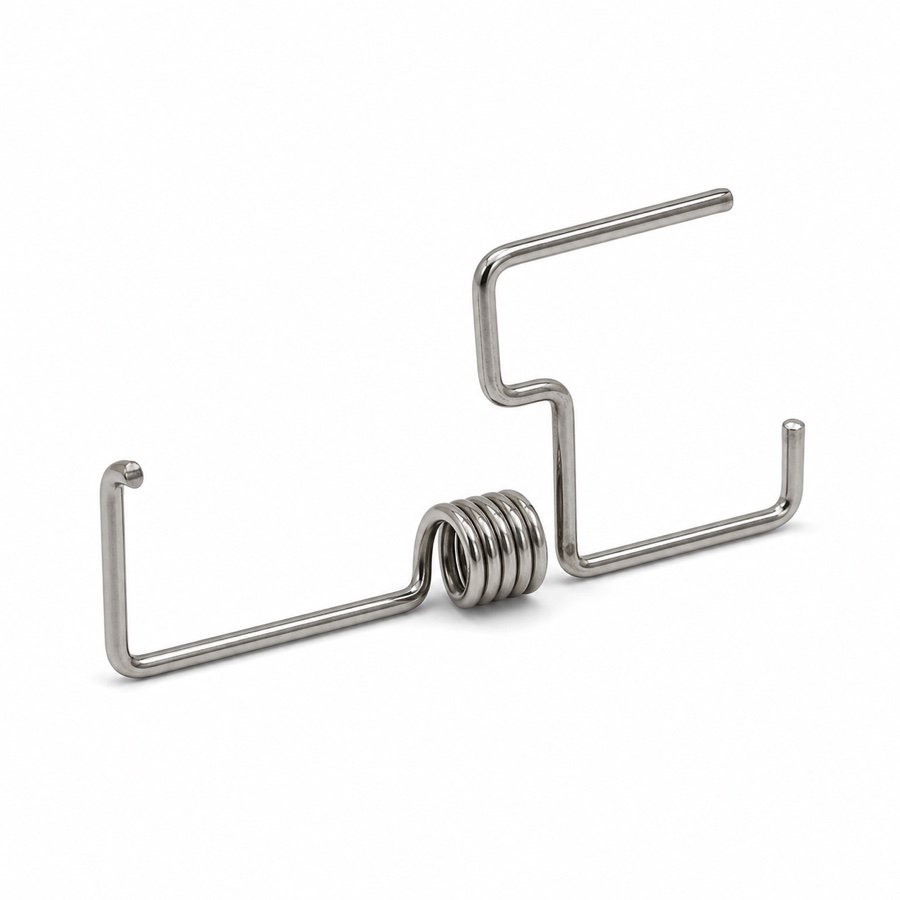
Flexible parts change under measuring force, so datum, posture, force and functional gauges control the result.