
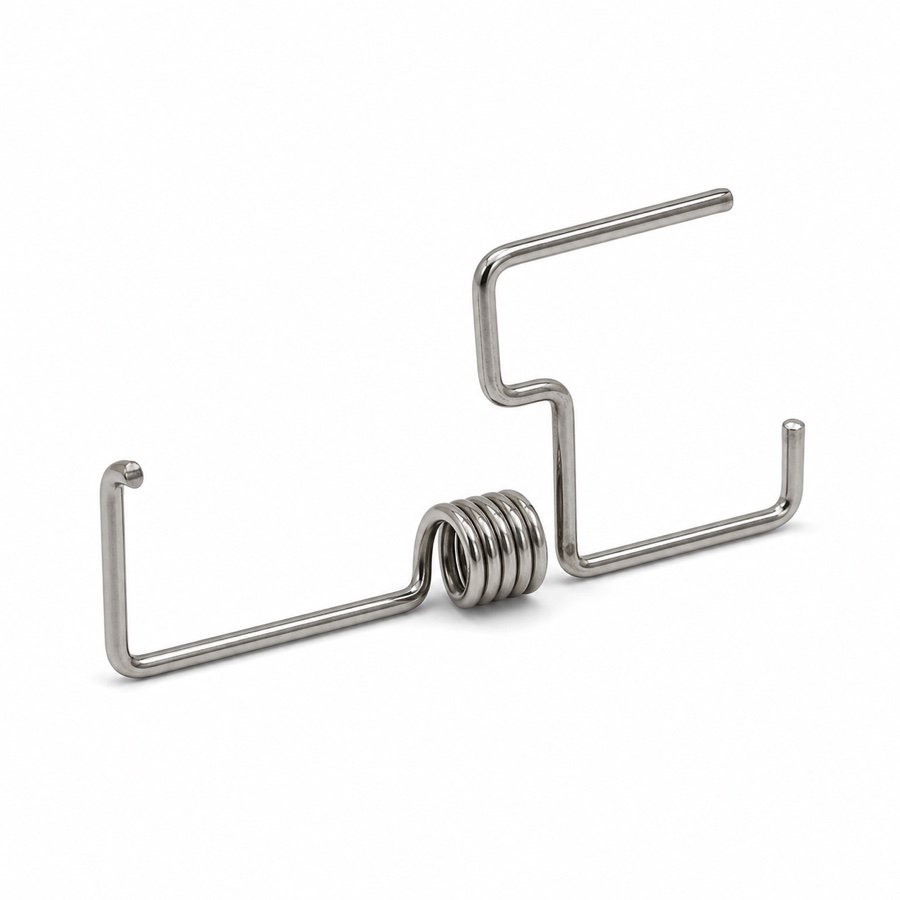
Medical Device Spring Considerations: Material, Cleanliness and Validation
Medical-related use must distinguish non-implant mechanisms, exposure and cleanliness instead of relying on the phrase “medical grade.”
Practical guides covering spring design, materials, processes, fatigue, industry applications and sourcing
Medical-related use must distinguish non-implant mechanisms, exposure and cleanliness instead of relying on the phrase “medical grade.”
Miniature contacts must balance force, conductivity, wear, assembly tolerance and long-term relaxation in limited travel.
Confirming function, critical dimensions and acceptance before quotation shortens development more effectively than repeated shipments.
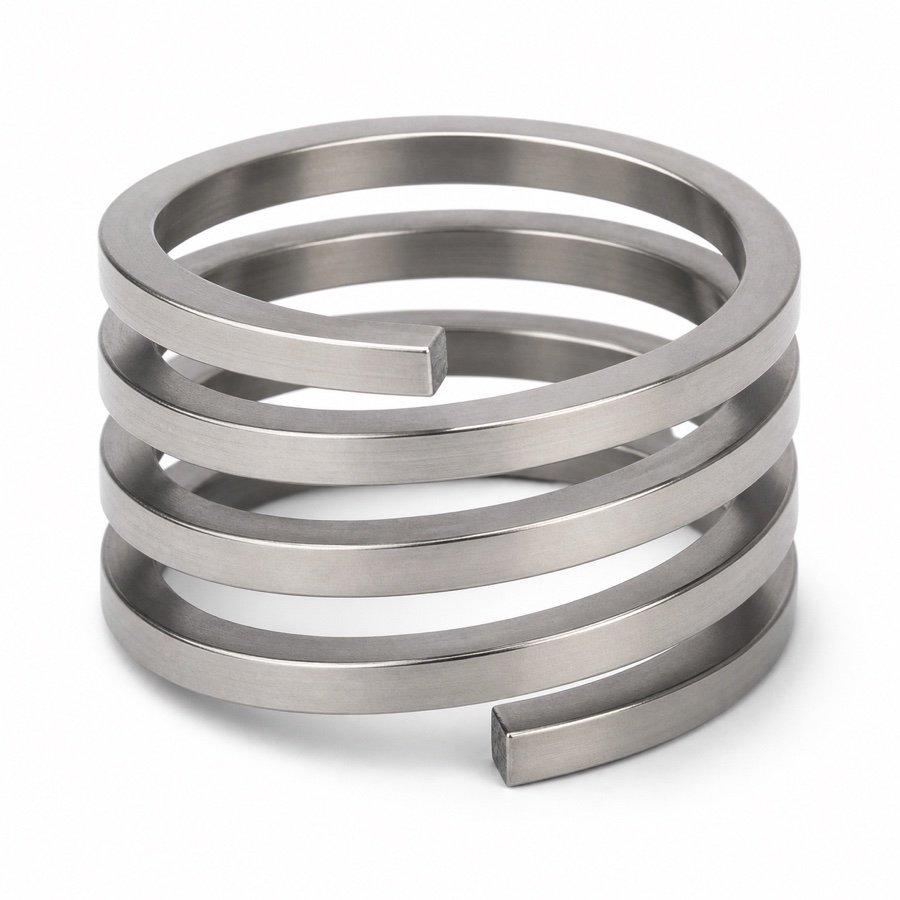
Forming complexity, tolerance, setup, secondary processing, inspection and packaging strongly affect unit and tooling cost.

Material traceability, setup control, heat treatment, inspection, change management and corrective action show production capability better than equipment photos.
Special sections improve package efficiency, but corner radius, rolling direction, twist and tooling contact must be defined.
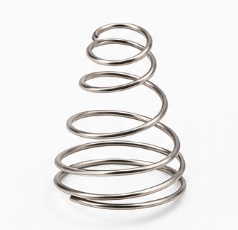
Conical geometry can telescope and create progressive rate, but diameter sequence, pitch and guidance require joint design.
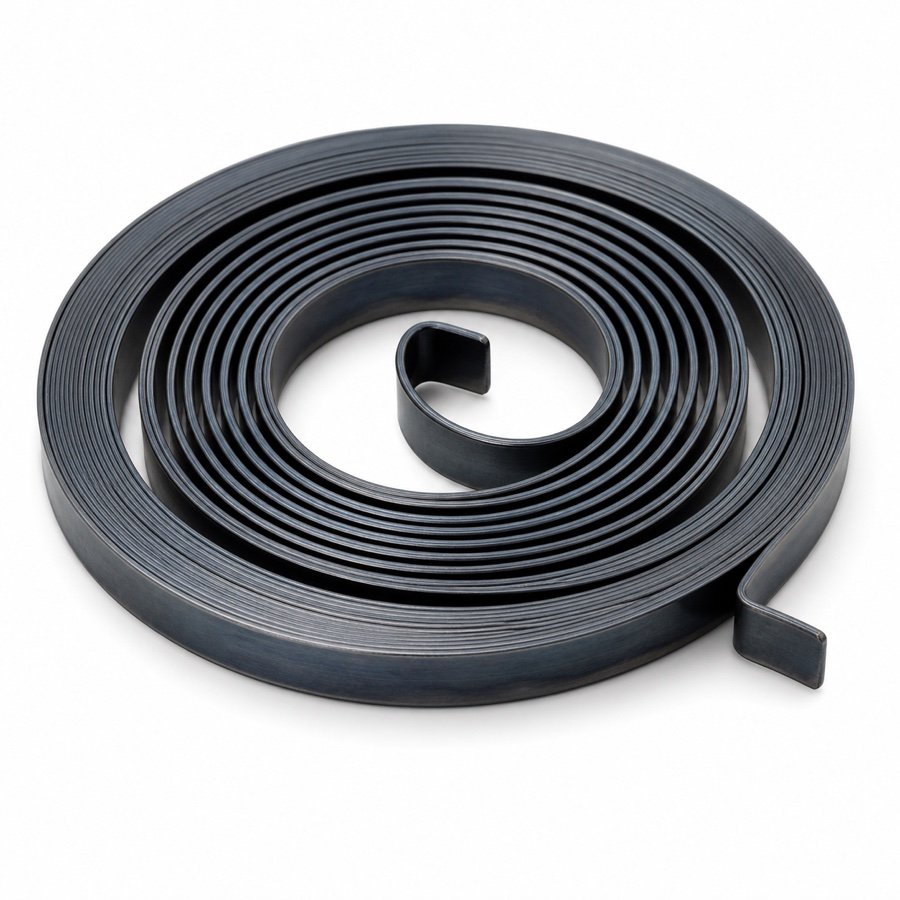
A power spring is an energy-storage system, so torque, useful turns, arbor, housing and attachment must be defined together.