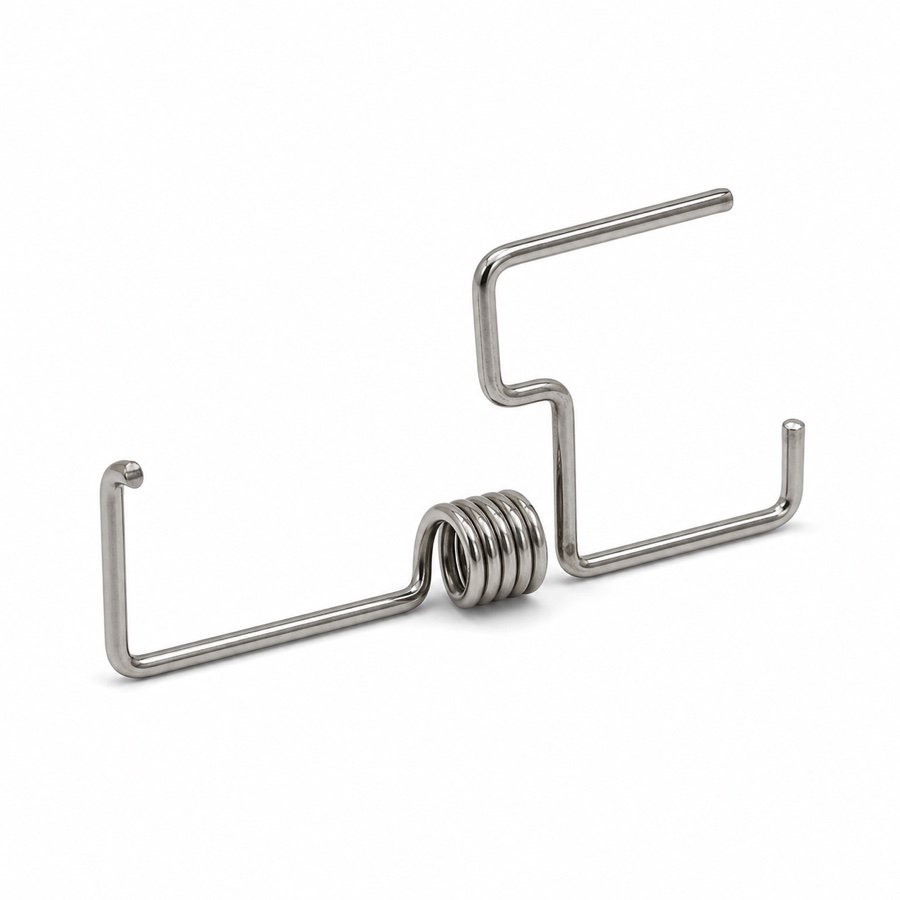
Efficient sampling is not only about producing parts quickly. The first build should test key assumptions, and each revision should become a controlled new version.
Review requirements before quotation
Engineering needs package, travel, load, life, material, environment and volume. Missing information should be recorded as open items and assumptions.
Define the sample objective
Shape checks, load validation, assembly trials and process validation need different quantities. State what the build must answer.
Make feedback measurable
Use load at height, interference location, angular error or assembly behavior instead of only “too hard” or “slightly wrong.”
Create a new revision for every change
Use consistent revisions on drawings, labels and test records, preserving the reason and approval to prevent production from returning to old settings.
References
This article is informed by public standards catalogues and industry engineering resources. Project values should be confirmed by drawings, material certificates and sample validation.